The Allure of Casino Gambling
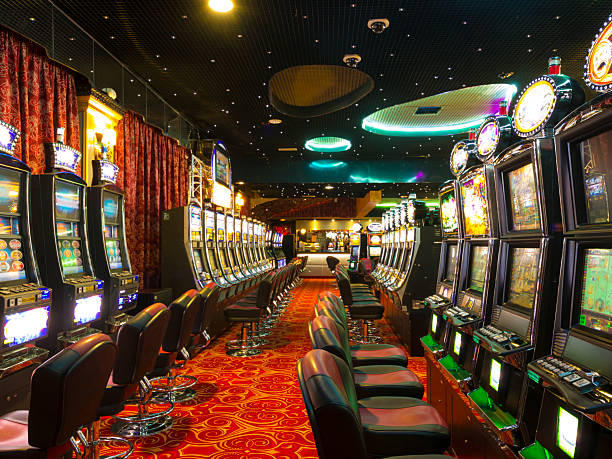
The psychology behind casino gambling is deeply rooted in the allure that these establishments present. The vibrant lights, engaging sounds, and overall atmosphere create an environment that stimulates excitement and anticipation. This sensory overload activates the brain’s reward centers, making individuals more susceptible to the thrill of the game. For example, many people enjoy the excitement of their experiences, such as when they consider visiting escorts london for a night out, hoping to pair it with a visit to the casino. The combination of risk and reward in gambling often leads to a unique psychological state where players may experience euphoric highs from winning while simultaneously grappling with the potential of significant losses.

Moreover, casinos are designed to be immersive, keeping players engaged for extended periods. This environment caters to human psychology by exploiting cognitive biases, such as the illusion of control, where individuals believe they can influence outcomes in games based on chance, or gambler’s fallacy, which suggests a belief that past events can affect future probabilities. These psychological tricks enhance the gambling experience and can lead to repetitive behavior despite detrimental consequences.
Motivations Behind Gambling Behavior
Understanding the motivations behind gambling behavior is crucial to unraveling its psychological facets. People gamble for various reasons—some seek the thrill of winning or the adrenaline rush that comes with taking risks. Others may be motivated by social factors, using gambling as a means to socialize or escape from reality. For many, it acts as a coping mechanism, allowing them to temporarily distract themselves from personal issues or stressors.
The desire for financial gain is also a significant motivator. The promise of a big win can be enticing enough to draw individuals into a cycle of repeated gambling, which can be difficult to break. This financial aspiration often overshadows the reality of the odds, leading players to underestimate the risks involved and overemphasize their chances of winning. Understanding these motivations sheds light on why individuals continue to gamble despite poor outcomes.
The Role of Cognitive Biases in Gambling
Cognitive biases play a pivotal role in shaping gambling behavior. These mental shortcuts can lead players to make irrational decisions based on flawed reasoning. For example, many gamblers fall prey to the overconfidence bias, where they believe they are more skilled at predicting outcomes than they truly are. This often leads to the continuation of play, even after experiencing significant losses. Additionally, the confirmation bias may cause individuals to focus only on winning experiences while discounting losses, reinforcing their desire to continue gambling.
Another critical cognitive bias is the near-miss effect, prevalent in games like slot machines. When players come close to winning, their brains interpret this as a positive signal, prompting them to keep playing. This can create a cycle of behavior where players consistently gamble in the hope of achieving the elusive win, further entrenching their gambling habits. The interplay of these cognitive biases illustrates how the brain can be tricked into supporting persistent gambling behaviors, often at the expense of the individual’s financial stability.
The Impact of Emotions on Gambling Decisions
Emotions drastically influence gambling behaviors and decision-making processes. For instance, feelings of excitement and joy can lead to impulsive bets, while frustration or boredom can trigger a desire to chase losses, leading to more significant financial risks. The emotional highs and lows associated with gambling create a rollercoaster effect that can be addictive, as players often seek to recapture the thrill of big wins or the rush of the game.
Furthermore, emotional states can affect the cognitive functioning necessary for making sound decisions. Stress or anxiety may cloud judgment and enhance the likelihood of making impulsive choices, resulting in further losses. Recognizing the emotional triggers that drive gambling behavior is vital for understanding why individuals may engage in this risky activity, despite potential negative consequences.
Understanding Gambling Behavior Through Responsible Gaming Initiatives
As the understanding of gambling psychology evolves, so do initiatives aimed at promoting responsible gaming. Various organizations and casinos are increasingly recognizing the importance of addressing problem gambling through educational campaigns and support services. These initiatives seek to foster awareness about the psychological mechanisms behind gambling behaviors and encourage players to engage with games responsibly.
Websites dedicated to educating the public about gambling risks and providing resources for those affected are essential. They can offer insights into responsible gaming practices, helping individuals recognize their motivations and cognitive biases. By fostering a better understanding of the psychology behind gambling, such platforms can play a crucial role in promoting healthier gaming habits and reducing the stigma associated with seeking help.